The Benefits of Overcoating Tiles with Epoxy in Brisbane & the Gold Coast
Tiles as an indoor and outdoor flooring finish can look great - until they don’t. Then what’s left is an expensive job to remove and reapply them.
Once the darling of flooring finishes and known for their quality, reasonable ease to clean, and their style, tiles now compete with epoxy resin for these same reasons. Tiles can be made from various substances, including stone, metal and glass, but most are clay based, and can be used indoors and outdoors with a textured finish to allow for slip resistance.
Why Consider Epoxy Over Tiles?
What many people don’t realise is that overcoating tiles with epoxy resin can allow you to breathe new life into your residential, commercial or industrial tiled areas to create an instant and fresh new look. However, not all tiles can be overcoated, and there are a number of factors that need to be taken into consideration before attempting overcoating tiles with epoxy.
Why Overcoat Tiles with Epoxy?
Common Reasons Homeowners Choose Epoxy Over Tiles
- Grout has worn and/or discoloured
- Tiles are too slippery
- Tiles have become unsightly
- Tiles were not originally sealed and harbour dirt and grime, and are now impossible to clean due to the penetration
- To create a unified and seamless floor, easier to keep clean with a regulated slip resistance
Local considerations across Brisbane, the Gold Coast, and Sunshine Coast:
- QLD humidity can cause tiles and grout to trap moisture, leading to mould or long-term staining
- Outdoor tiled areas become slippery during summer storms or when shaded areas stay damp
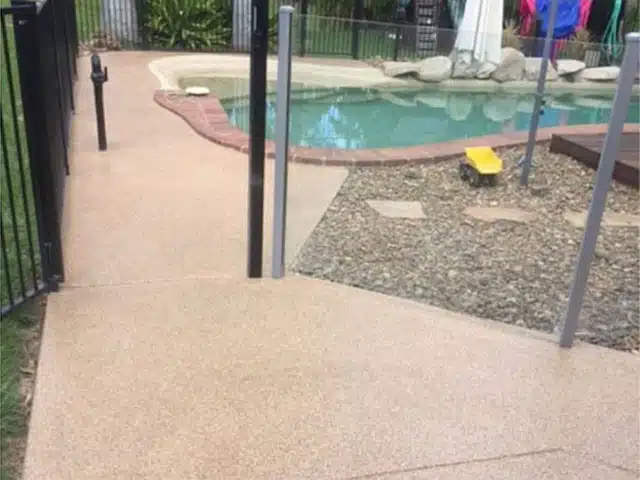
- Pool surrounds often have worn grout lines or tiles that lose traction over time
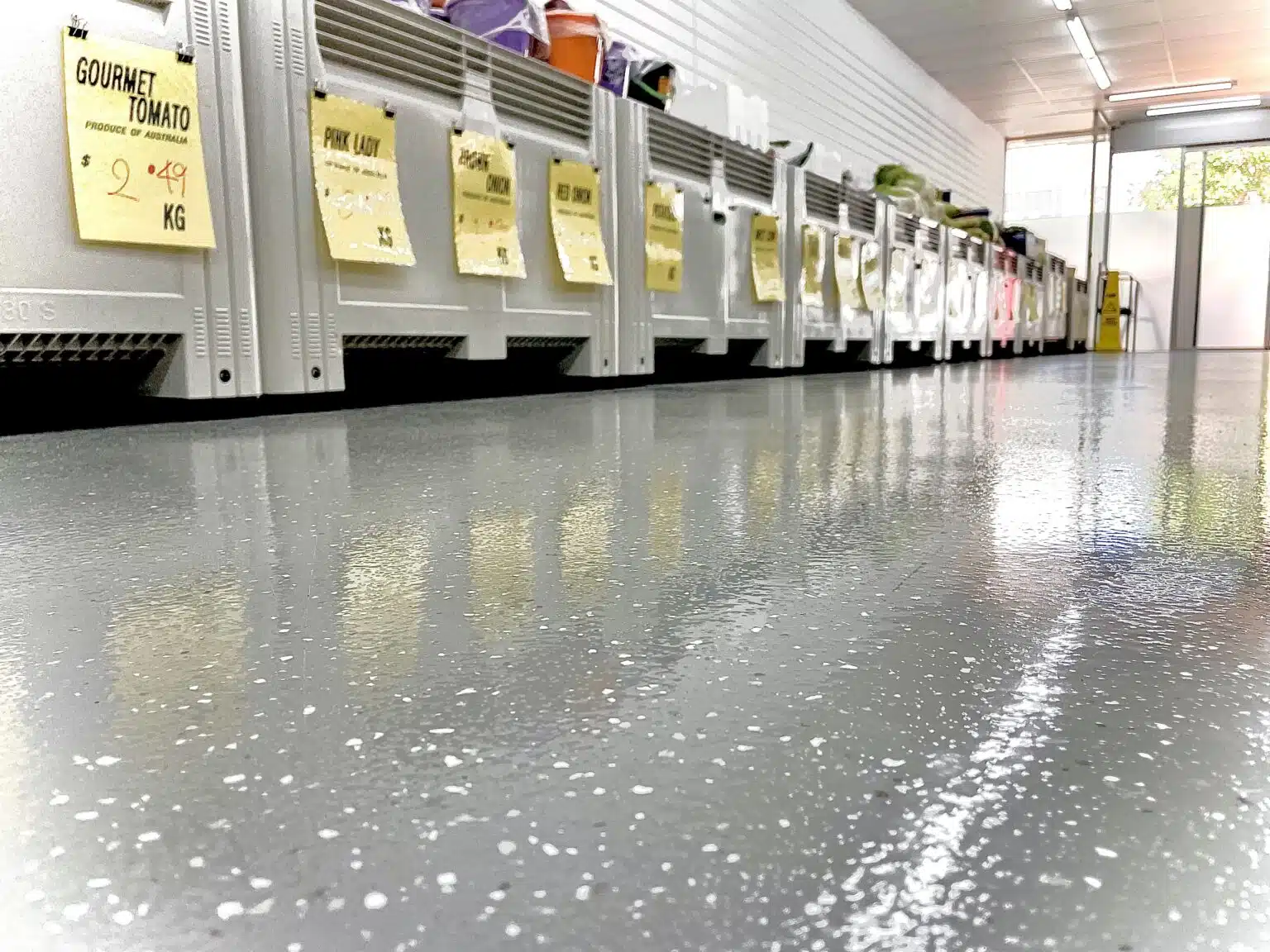
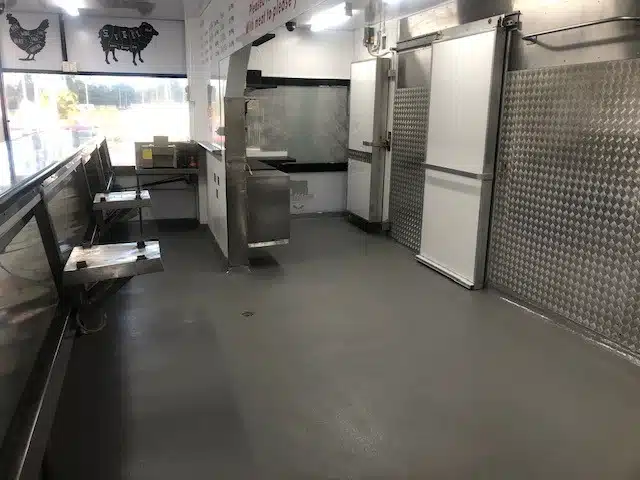
- Commercial kitchens in SE QLD typically experience heavy foot traffic, oils, and contaminants that make tiles difficult to clean and maintain
Cleaning and Maintenance Advantages
Ease of cleaning has been the biggest benefit of overcoating tiles with epoxy, based on feedback from customers who have gone through the epoxy tile overcoating process. The grout lines are gone and the floor is free flowing and seamless. The slip resistance is hand scattered, which targets higher traffic areas and gives added safety and assurance under foot.
Aesthetic Improvements and Colour Options
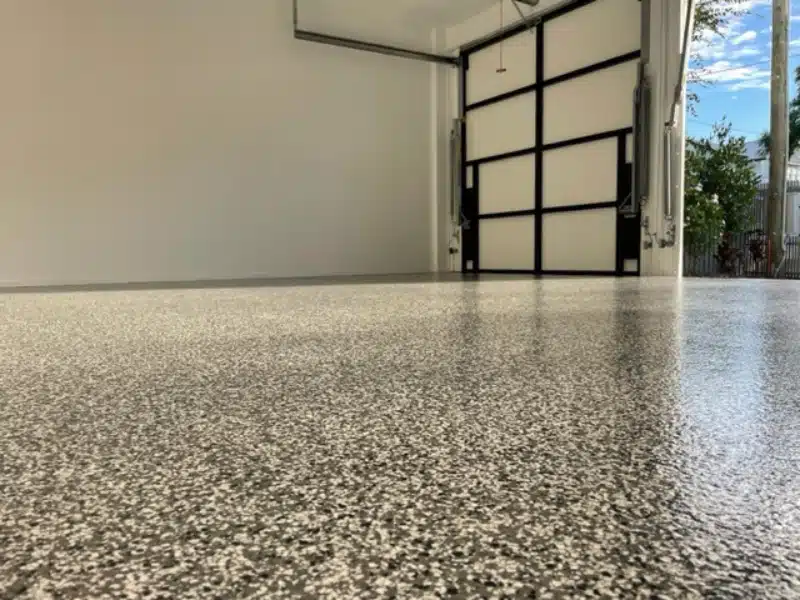
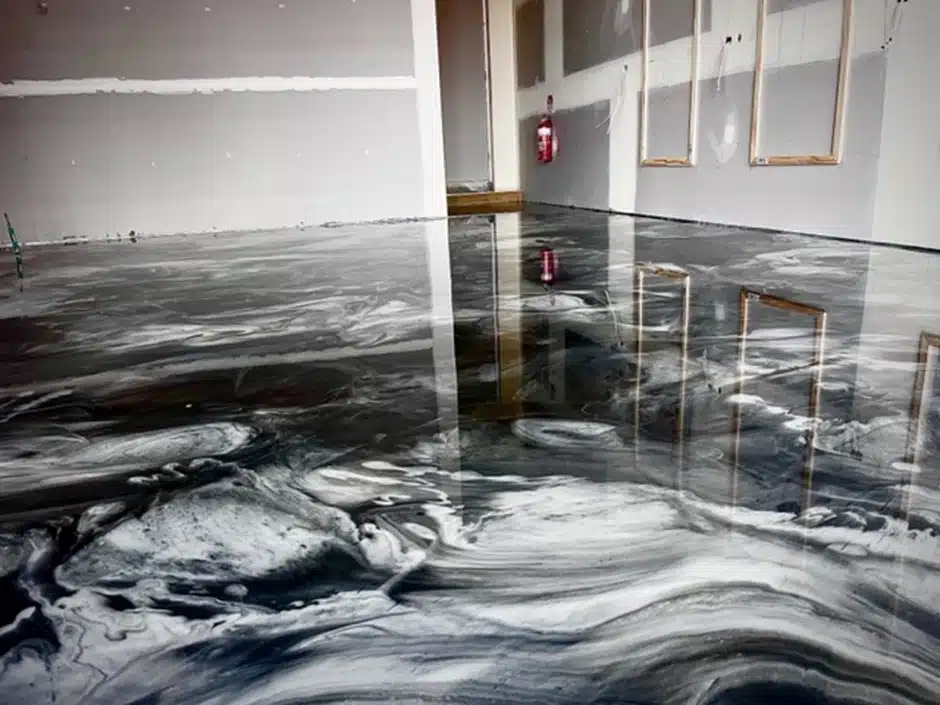
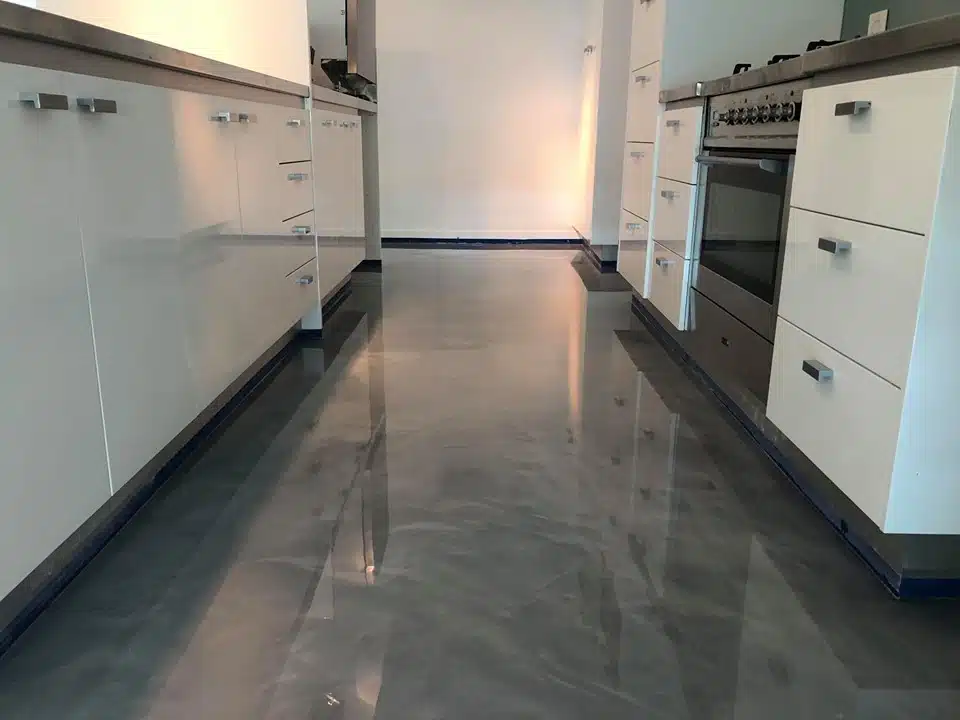
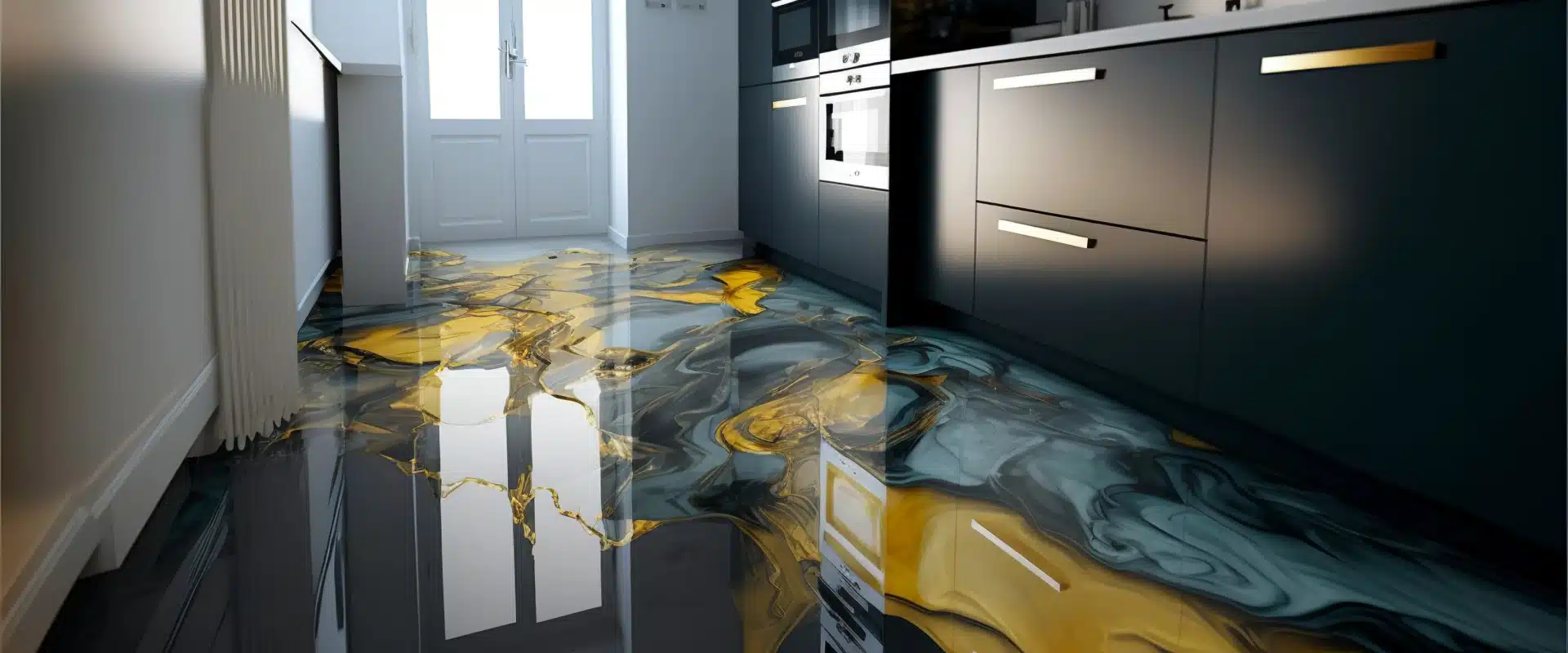
The colour choice made can help your area feel more alive, with the products used being mostly high gloss and semi-reflective so that light bounces and your floor is vibrant.
Important Considerations Before Overcoating Tiles
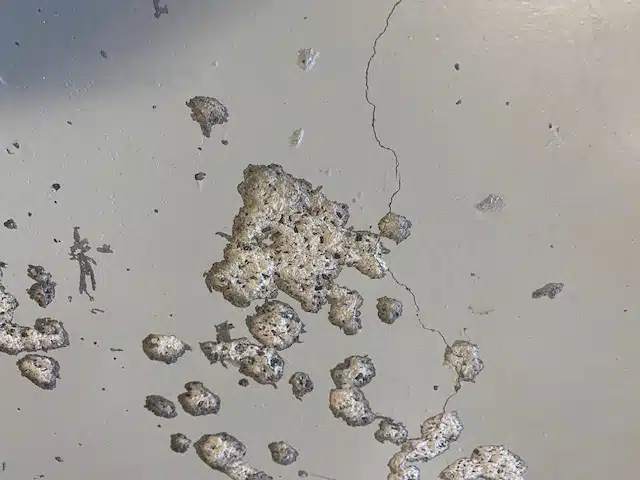
When overcoating tiles with epoxy, how the tiles were laid, glue used and what they’re applied to are all important areas for an assessment of an epoxy overlay. Epoxy coatings are mostly inflexible so if there is any movement, the coating can split.
Tile Substrate and Stability
If the tiles are applied to concrete, this is favourable. If they’re applied to fibre cement sheeting, this adds a layer of complexity as to whether it can work or not in the long term. The risks need to be detailed for everyone to see and assess before choosing overcoat. This latter point mostly relates to substrate movement and as already mentioned, what the movement can do to a coating.
Local considerations for Brisbane, Gold Coast and SE QLD homes:
- Many older QLD homes were built on fibre-cement (fibro) sheeting, which can create more movement than concrete slabs.
- Subtropical climate movement – Brisbane and Gold Coast homes often experience expansion and contraction from humidity, heat, and seasonal storms, which can affect the long-term stability of an epoxy overcoat.
Seasonal Movement and Structural Behaviour
If the area has gone through numerous seasons, i.e. years of winters and summers where the substrate has undergone the expansion and contraction phase multiple times, it can give a better indication of stability, as opposed to an area that is new and has not gone through the cycles.
Can All Tiles Be Overcoated with Epoxy?
Can all tiles be overcoated with epoxy? The short answer is no, and here is why:
Tile Condition and Adhesion Requirements
- Epoxy over substrates other than concrete requires special consideration. The need is for the tiles to be well stuck to – hopefully - concrete. This is the soundest base.
- Some of the tiles may be loose or drummy, so they must be checked. This can be done with the ‘knock’ test and by dragging a heavy chain and listening to the sound.
- The drummy tiles and damage need to be repaired before overcoating can take place.
Preparation Challenges and Limitations
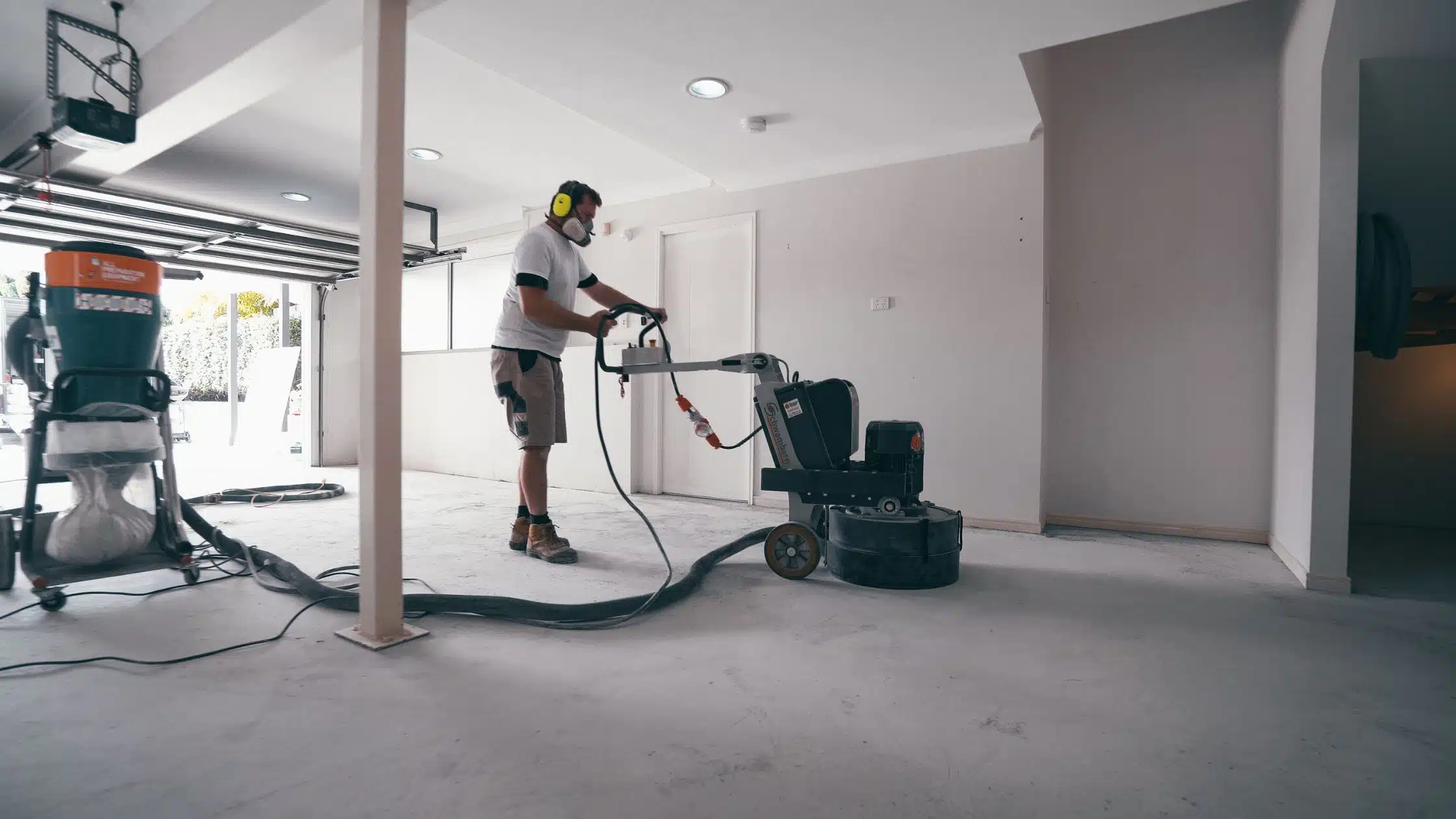
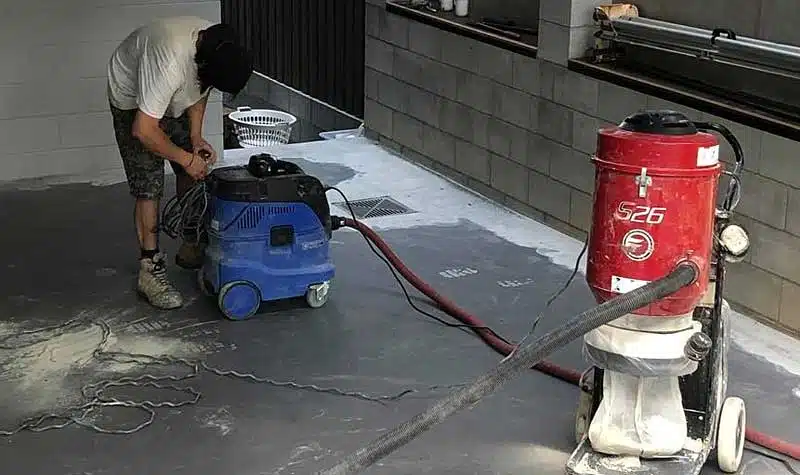
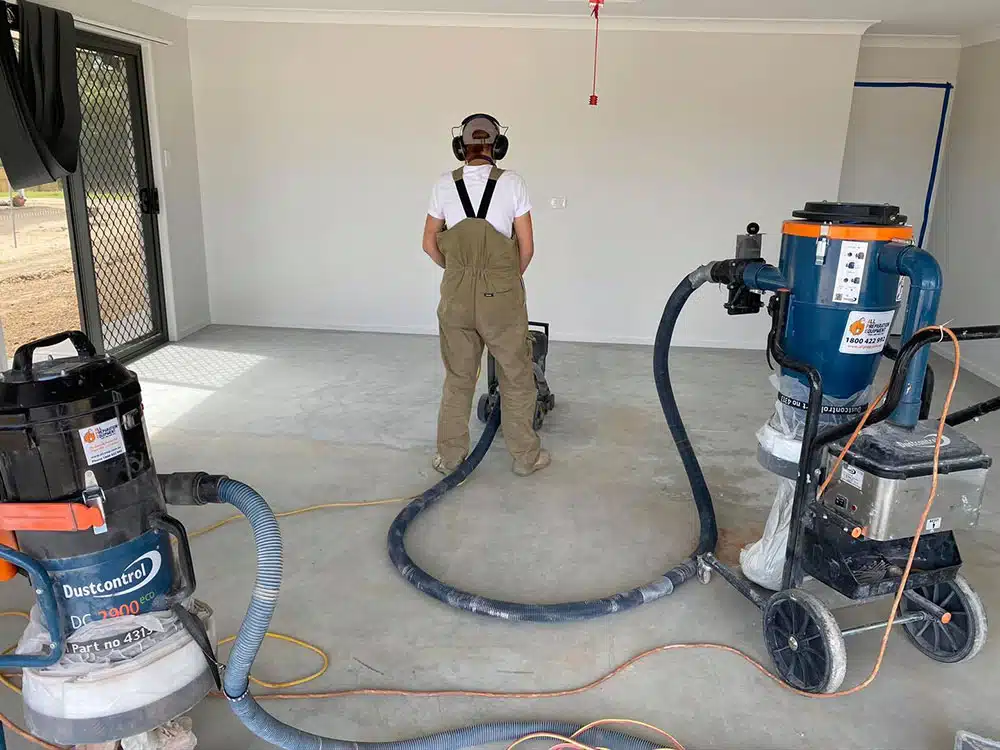
- The preparation process may include diamond grinding, which can further result in damaging or popping tiles.
When Removing Tiles Is the Better Option
The general rule is up to 10% of the tiles can have issues. If over this, a discussion will need to be had about ripping up the tiles completely, grinding underneath and starting again. While this isn’t ideal, it can save a host of issues including movement and, ultimately, failure.
Additional Factors to Consider
Tile Height, Levelness, and Product Requirements
How the tiles were laid, can impact the level of work involved with your desired finish. For example, if tiles are uneven, more product and preparation are required to eliminate the visual aspect of a protruding tile. Keep in mind that grinding down a tile too far can cause it to shatter
Finish Limitations Over Tiles
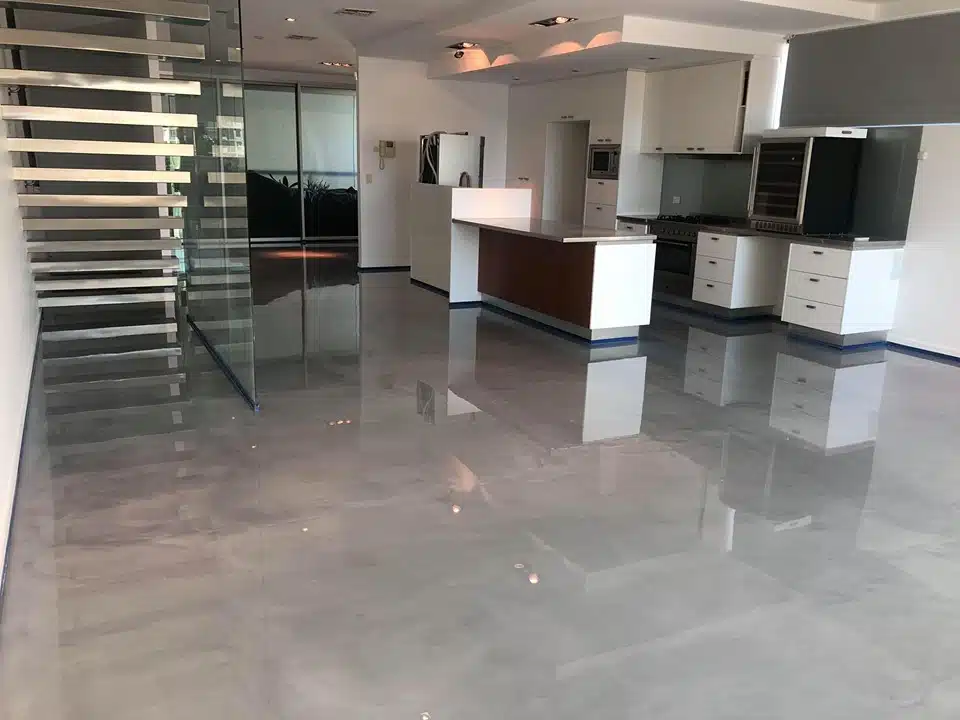
Epoxy finishes offered are limited. As nice as metallic finishes are, offering this as an option over tiles can be a huge risk. The product, typically with metallic resins, is self-levelling and the surface needs to have a good level of flatness
Grout Line Contamination in Residential & Commercial Floors
The grout lines themselves can harbour impurities making it a repellent that the epoxy won’t stick to. Knowing the history of the floor can help ascertain if your floor is a good candidate for overcoating. This can be particularly relevant in commercial flooring such as kitchens and food preparation areas where floor contamination can be present
Longevity and Maintenance Expectations
If you look after your health, you’ll generally life longer and with greater enjoyment. The same applies to tiled floors that have been overcoated with epoxy resin. They are NOT maintenance free. Depending on the system used and slip resistance added, most projects will require a simple hot water detergent mop every 2-4 weeks, depending on the usage and whether indoor or outdoor.
If anything spills onto the floor, clean it up immediately. Some systems have light chemical resistance and as with all resins, not all epoxies are created equal. We can discuss this with you further when consulting on your job.
Safety Requirements and Slip Resistance
With tiles, the consideration is mostly aesthetic. There is little consideration given to the slip resistance, porosity (if they’re sealed or not) and cleaning required to keep them at their best.
Considerations for slip resistance can be measured by the environment a floor is in. First, determine if it’s internal or external, then if it’s near any wet areas such as pools, bathrooms, laundries etc. Also, consider the traffic going across the floor, and propensity for tripping and slipping, based on age and any disabilities you might need to cater for.
We take the time to consider each project from every angle. The aesthetic is merely one of these angles. For example – we encourage our customers to share details of all the potential activities that could take place on the floor so that we can assess all technical and safety considerations.
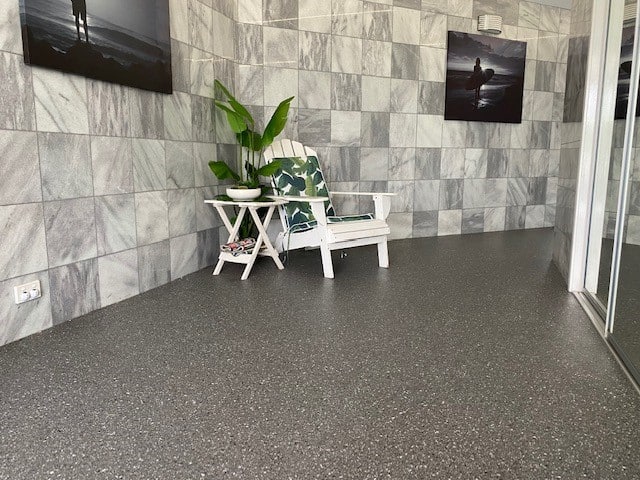
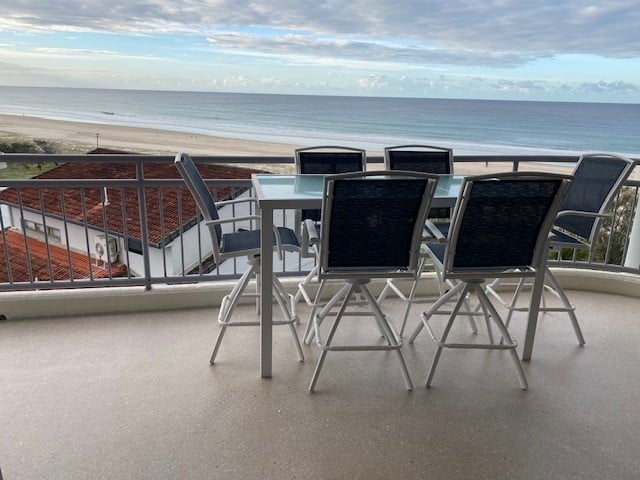
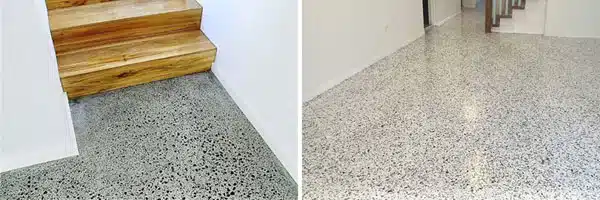
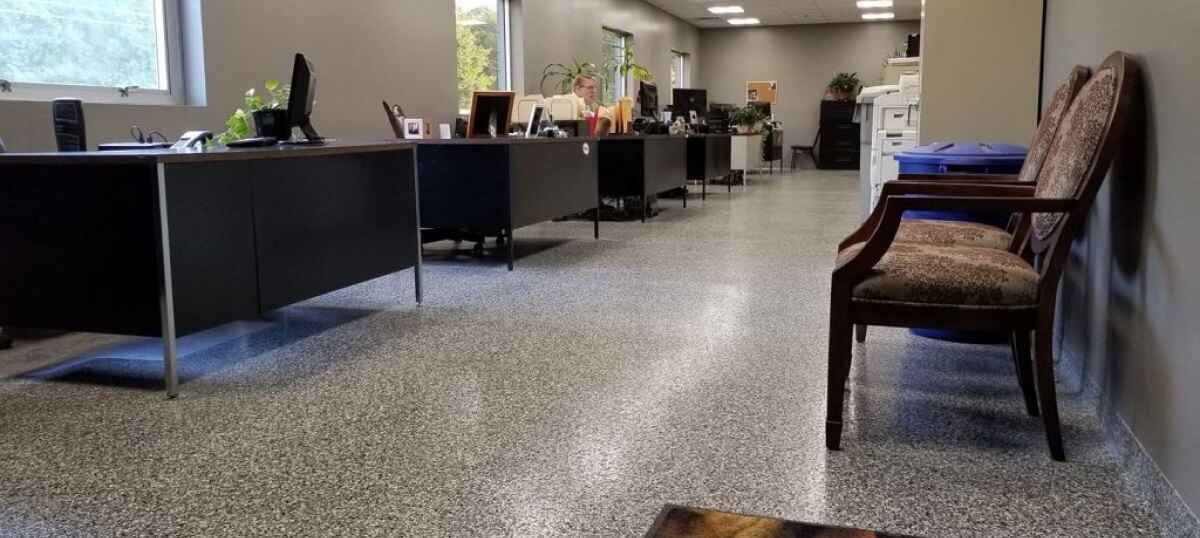
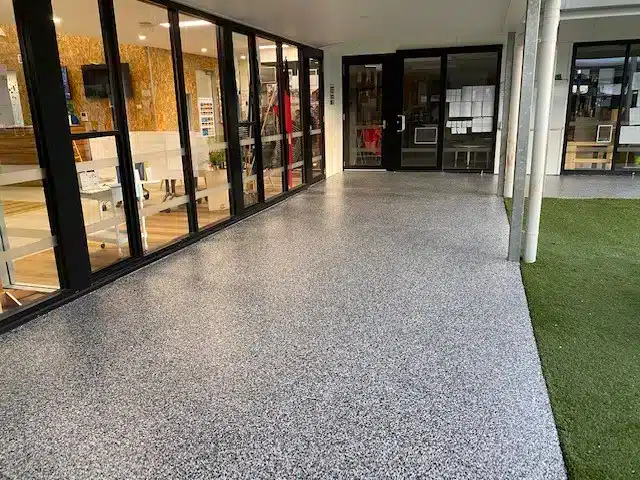
This foyer entry in a residential apartment block on the Gold Coast not only makes a statement, but provides a safe and durable finish in this high traffic area.
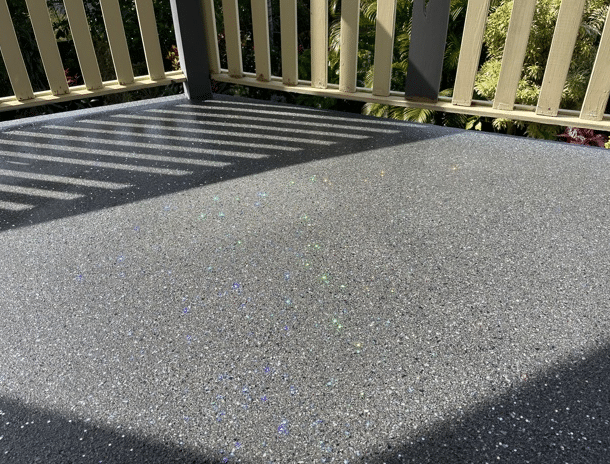
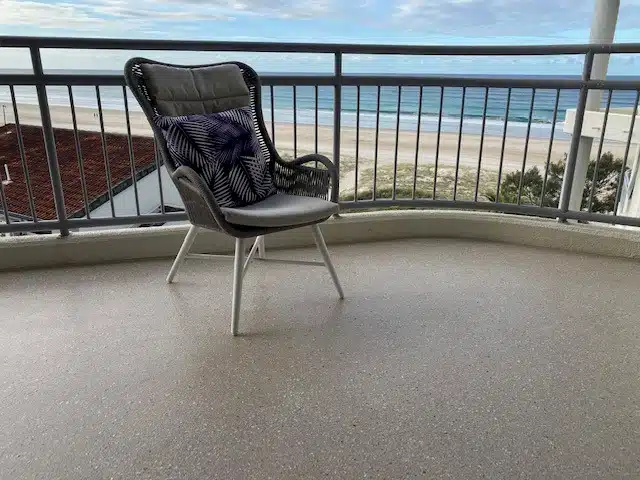
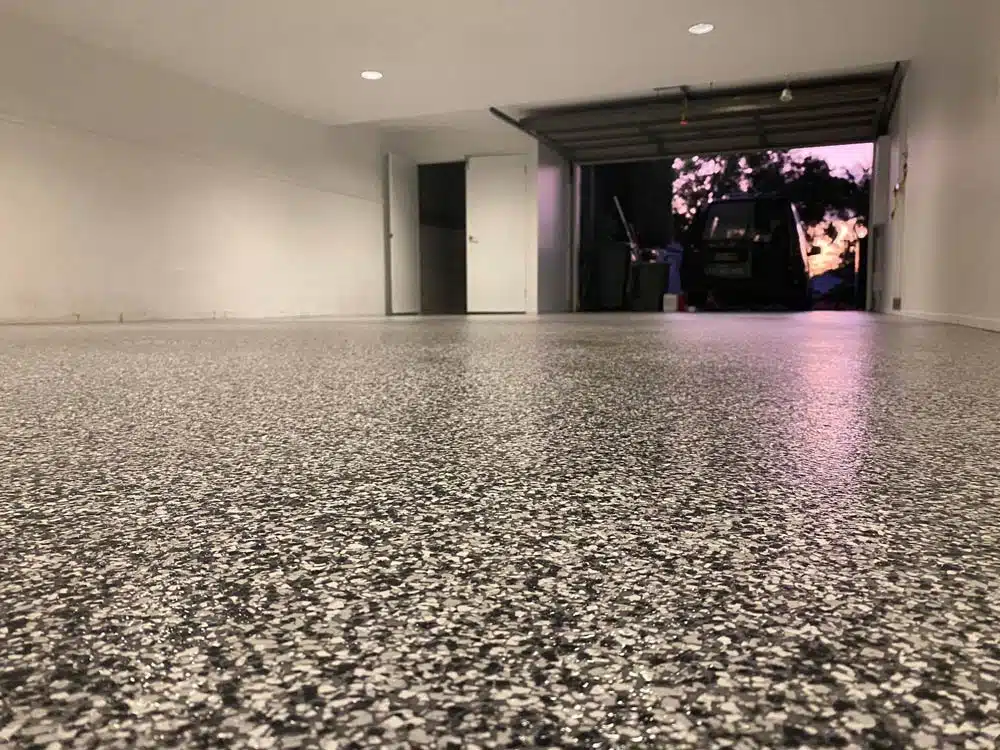
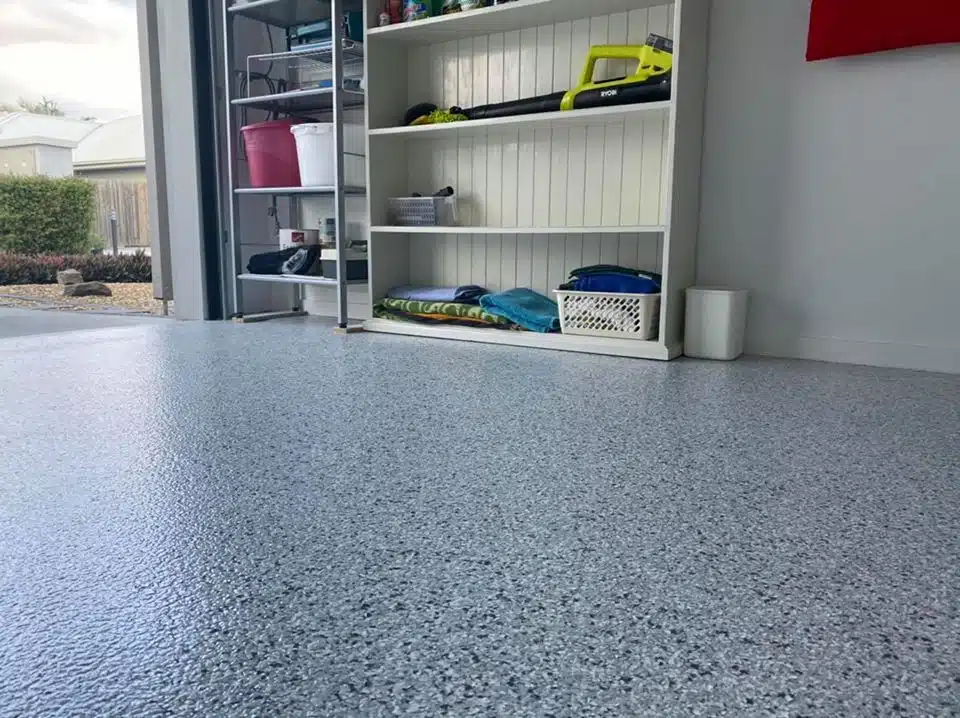
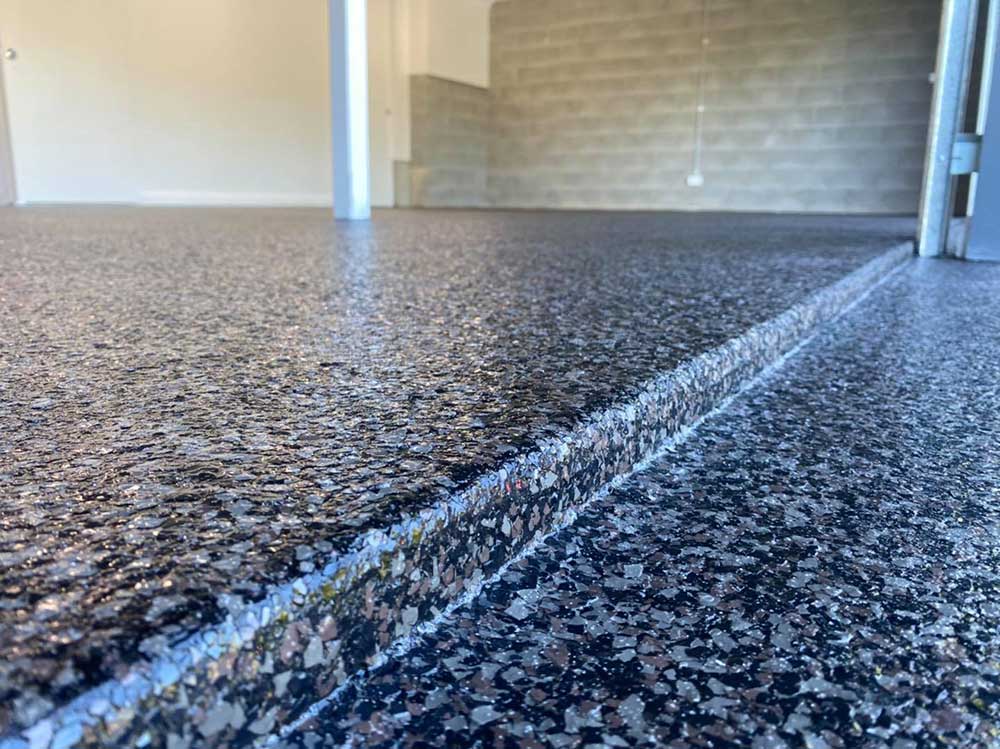
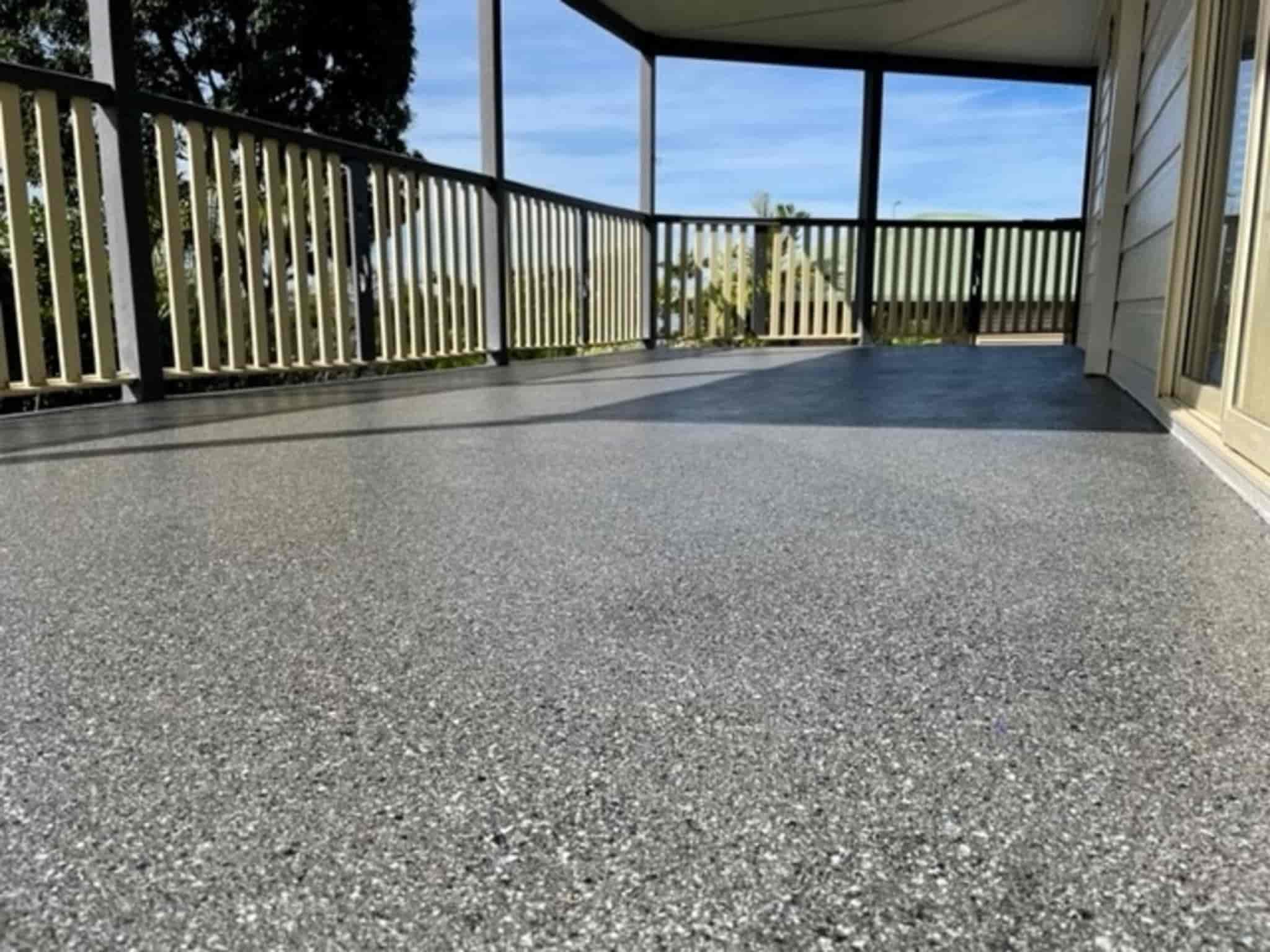
We used a quartz-based finish with polyurethane and glitter on the 19mm fibre cement sheeting base on this first level balcony.
See Our Work & Get a Local Quote in SE Queensland
To find out more about the systems we use to overcoat tiles, see examples of our work, and get a quote for your project, contact us today. We’re always happy to help and give advice on the best flooring options for your internal and external areas.
Tough Floors Service Areas
Tough Floors service areas include Brisbane and nearby areas. The boundaries are Noosa North Shore, Tewantin, Eumundi, Yandina, Palmwoods, Sippy Downs, then through Brisbane to as far as Gatton only, Beaudesert, Burleigh Heads, Kingscliff, Brunswick Heads to Byron Bay.
FAQ: Overcoating Tiles With Epoxy
FAQ 1: Can all types of tiles be overcoated with epoxy?
Not all tiles are suitable for epoxy overcoating. The tiles must be well-adhered—preferably to concrete—and in generally sound condition. If tiles are loose or “drummy,” they need to be identified through a knock test or chain drag and repaired before coating. Preparation such as diamond grinding may also damage fragile tiles. As a guide, if more than 10% of the tiles have issues, removing and replacing the floor may be the better option.
FAQ 2: How long will epoxy over tiles last?
The longevity of an epoxy-over-tile system depends on the condition of the tiles, the substrate stability, the preparation process, and the ongoing maintenance. Epoxy is durable, but it is not maintenance-free. Regular hot water and detergent cleaning every 2–4 weeks is recommended, and spills should be cleaned immediately. Floors that have already been through multiple seasonal expansion and contraction cycles generally offer better long-term stability.
FAQ 3: Who should I contact for epoxy over tile installation in Brisbane and the Gold Coast?
For professional epoxy tile overcoating across Brisbane, the Gold Coast, Sunshine Coast and Northern NSW, Tough Floors is the trusted local specialist. Their team can assess your tiled area, explain the risks, and recommend whether overcoating or full tile removal is the best long-term solution.



.webp)